Pest-proofing a Dubai balcony starts with removing standing water, food residue and sheltered clutter, then checking how pests enter the home. A tidy outdoor space can still have a leaking planter, a damaged door seal or a shared building problem. Use the seven checks below to find the source before buying another spray.

Walk the balcony in daylight and inspect only what you can reach safely from the floor. Do not lean over railings, climb furniture, drill into the façade or dismantle air-conditioning equipment. Where the problem involves an external ledge, common drain or nesting site, involve building management and a suitable specialist.
Seven checks for pest-proofing a Dubai balcony
1. Empty containers that hold water
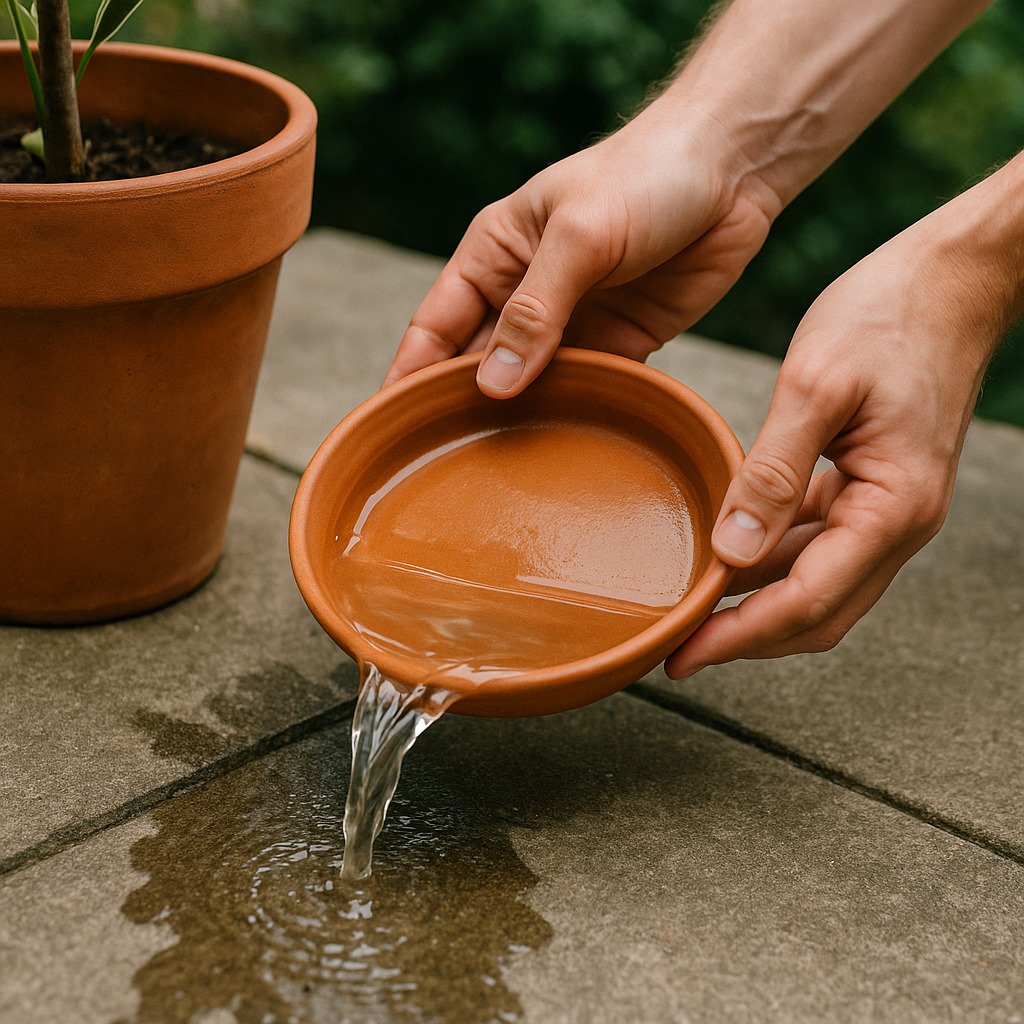
Check plant saucers, buckets, watering cans, furniture covers and unused decorative containers. Water can collect after irrigation as well as rain. Empty avoidable collections and correct the reason they refill. Do not add household insecticides to water or disconnect a drainage component to make the area look dry.
The EPA's mosquito prevention guidance recommends removing standing water and maintaining screens. These principles are useful for balcony maintenance; they do not establish which mosquito species is present in your building. Persistent activity after your own containers are dry needs a wider source check.
2. Check the irrigation routine
Look beneath pots after watering and note whether the same corner remains wet. Raise the issue with the gardener or maintenance team if an irrigation line leaks. Choose a plant-care schedule appropriate to the plants instead of watering every pot automatically. Soil problems and flying insects around a planter need identification; not every small fly is a mosquito.
3. Remove food after outdoor use
Clean table edges, barbecue residue and the floor beneath seating after eating. Bring pet-food bowls indoors when feeding is finished and keep waste in a closed container until it is removed. A balcony that is used only at weekends still needs a check after the last meal, particularly beneath cushions and around a grill stand.
Avoid feeding birds from the balcony. Seeds and scraps can create a continuing food source and encourage repeat visits. If food is arriving from another balcony or a communal area, report the location rather than applying chemicals to your own furniture and expecting the wider source to disappear.
4. Reduce hidden spaces behind stored items
Move unnecessary cardboard and unused packaging out through the building's normal waste route. Arrange retained items so you can inspect and clean behind them. Keep storage containers closed and check underneath mats. Do not disturb a nest or open a suspicious sealed cavity simply to complete a cleaning checklist.
The EPA's housing-management guidance treats sanitation, leaks and maintenance as part of pest management. That is a useful way to divide responsibility: residents can remove accessible attractants, while maintenance handles defects and shared infrastructure.
5. Inspect the balcony door and screens
Look for torn mesh, a gap beneath the door and damaged seals around its frame. Record photographs and ask maintenance to specify a repair that preserves ventilation, safe access and the door's proper operation. A screen can help reduce insect entry, but it does not correct an active nest or water source outside.
Do not permanently block a drain or ventilation opening. A gap that appears unnecessary can have a building function. Ask the maintenance team which openings can be fitted with an appropriate pest-resistant cover without preventing drainage or access.
6. Assess bird activity without DIY work at height
Repeated droppings beneath the same ledge suggest a repeat resting location, but the solution depends on access and the actual site. Ask management before installing netting or other external fixtures. A professional should inspect active nesting, anchoring points and future maintenance access rather than simply sell a standard kit.
Do not use poison or improvised traps on the balcony. For substantial droppings, ask for a suitable cleaning method and protective measures. See the pigeon-control guide for questions about a longer-term exclusion plan.
7. Record what changes after the repair
Write down the pest, location and time of each sighting. Repeat the same short check after cleaning, irrigation repairs or screen replacement. If activity continues, share the record with management and the contractor. A problem returning at the same floor drain or façade gap deserves a targeted investigation.
What belongs to you and what needs management?
Residents can usually handle accessible food residue, loose storage and water in their own containers. Management may need to address shared drains, landscaping, waste areas, façade access and neighbouring units. Confirm building rules before changing any fixed feature, especially in a rented apartment.
If bees gather on a balcony, stop using the area and read the first-hour bee guidance. For unexplained recurring activity, contact GRMC with photographs and the exact entry point. An inspection can separate a household maintenance issue from one requiring coordinated building work.
Frequently asked questions
Can pests reach a high-floor balcony?
Yes, height alone is not a prevention plan. Investigate the actual sightings and possible sources rather than assuming a high floor rules them out.
Should I cover the balcony drain?
Do not seal it shut. Ask maintenance about a suitable cover that preserves drainage and can be cleaned properly.
Do plant saucers need checking without rain?
Yes, watering can leave water behind. Check the containers after irrigation and correct leaks or overfilling.
Will a screen solve the whole problem?
A sound screen can reduce entry through an opening. It will not remove a nest, food source or water collection elsewhere.
Can I install pigeon netting myself?
Do not attempt work that requires leaning over a balcony or accessing the façade. Obtain building approval and use an appropriately equipped installer.
When should I request an inspection?
Request help for recurring activity despite repairs, inaccessible sources, nests or significant droppings. Send photographs and a sighting record so the visit can focus on the likely source.