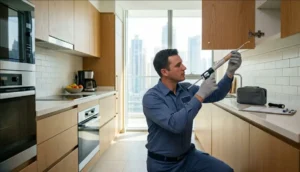
Checking for bed bugs in Dubai hotels is most useful before you unpack. Keep bags away from the bed, examine accessible mattress seams and nearby furniture, and report suspicious physical evidence to the hotel team. A short visual check can identify a reason for further inspection; it cannot certify that a room is free of bed bugs.

This checklist is for guests staying in hotels, serviced apartments and holiday homes. It does not imply that a named property has a problem or that price and star rating establish whether bugs are present. If a check requires heavy lifting, electrical access or dismantling furniture, stop and ask staff to arrange an appropriate inspection.
Bed bugs in Dubai hotels: what evidence matters?
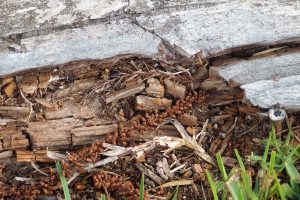
The EPA’s identification guidance recommends looking for physical signs such as live insects, shed skins and dark spotting. Skin marks alone are a poor way to identify an infestation. Take a clear photograph of a suspected finding and let a competent person confirm what it is.
A stain on a mattress can have more than one explanation. Photograph its location and inspect nearby accessible seams without trying to prove the diagnosis by touching the material. The decision at this stage is whether to pause unpacking and call the hotel, not whether to buy a treatment product.
Before opening your suitcase
Keep luggage closed while you check the room. Use an inspected luggage rack or another suitable hard-surface location away from the bed and upholstered seating. Do not scatter clothes across the bed, sofa or drawers before you have looked at the main sleeping area.
Use a phone flashlight if the room is dim. Start a simple note with the room number, arrival time and the areas you check. If a member of your group has mobility or lifting limitations, ask the hotel to help rather than attempting an unsafe mattress lift.
Follow a consistent room-check route
Check accessible mattress seams and bedding
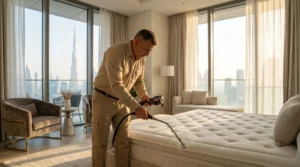
Pull back the bedding enough to see the accessible edges and corners. Look at stitching, piping and the label area. Check for suspicious insects or clusters of evidence rather than treating every small dark mark as conclusive. Do not place your face close to a seam or shake bedding across the room.
Look at the bed frame and nearby furniture
Use the light along visible frame joints and the reachable edge of the headboard. Then look at bedside furniture, the luggage rack and accessible upholstery seams. Do not remove a fixed headboard, open electrical fittings or drag heavy furniture. Those checks belong to trained hotel or pest-management staff.
Keep the check within its limits
A room has more hiding places than a guest can inspect on arrival. If you do not find evidence, retain sensible luggage habits and report anything new. An arrival check reduces uncertainty; it is not a guarantee and should not be advertised as a fixed-minute clearance test.
If you find suspicious evidence
Stop unpacking and contact the duty manager or reception. Share the room number, exact location and photographs. Ask for a competent inspection and explain where your belongings have been. Keep the discussion about the evidence rather than making an unsupported diagnosis or accusation.
Ask the hotel to agree a plan for your room and possessions before moving loose items through corridors or into another unit. If a different room is arranged, inspect it before unpacking and avoid transferring exposed bedding or furnishings yourself. A guest should not spray the mattress or apply a fogger to resolve the complaint.
Purdue’s sample hotel inspection form shows the value of recording where evidence was found and reporting it to management. It is a sample operational resource, not a Dubai legal standard. The hotel’s response should include a documented assessment and clear communication with the guest.
What hotel operators should arrange
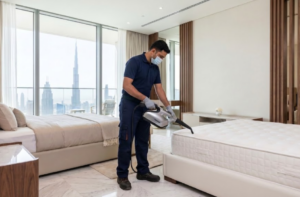
Assign one person to handle the incident, record the room and evidence, coordinate inspection and communicate the next steps. Follow a containment plan for laundry and other items so staff do not redistribute a suspected problem. The pest professional should determine the inspection scope, including whether nearby rooms need assessment.
Before the room is returned to use, record the work completed and the criteria used to release it. Do not replace evidence-based clearance with a promise that a particular spray or machine always solves the issue. For the treatment discussion, use the chemical and heat comparison.
Returning home after a concern
Keep exposed belongings separate until you have an appropriate inspection and cleaning plan. Follow garment-care instructions and professional advice for items that cannot be heat-dried or cleaned normally. Do not bring a suspected suitcase straight onto a bedroom carpet and empty it across the bed.
If physical evidence appears at home, consult the bed bug removal guide and arrange confirmation before choosing products. Contact GRMC with photographs, travel dates and affected items to discuss a property inspection. Health symptoms require a healthcare professional rather than a pest diagnosis from skin photographs.
Frequently asked questions
Can a clean or expensive hotel have bed bugs?
A room’s appearance or price cannot rule them out. Use a physical check and the hotel’s inspection response rather than relying on those signals alone.
Are itchy marks proof of hotel bed bugs?
No. Seek physical evidence and competent identification; skin symptoms should be assessed by a healthcare professional when needed.
Should I move rooms immediately without speaking to staff?
First tell the hotel and agree how your belongings will be handled. Moving loose possessions without a plan can complicate containment.
Should I spray the hotel bed?
No. Report the concern and let the hotel arrange inspection and any appropriate treatment.
Does a quick inspection guarantee a clear room?
No. Hidden or low-level activity can be missed, so report any later evidence and keep bags organised.
Does finding evidence automatically mean a refund?
This guide cannot decide a booking or compensation claim. Keep written records and use the hotel’s complaint process and applicable booking terms.