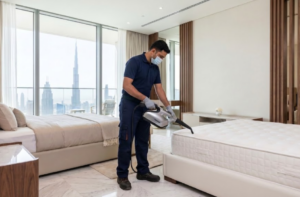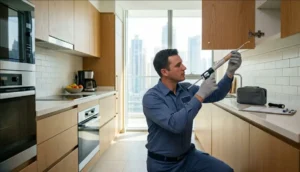
Pet-friendly pest control in Dubai should mean a plan that reduces avoidable exposure, not a promise that every treatment is harmless to every animal. Tell the provider which pets live in the home, ask what product or method is proposed and obtain written preparation and re-entry instructions. “Natural” or “low odour” does not replace those details.
Cats, dogs, birds, fish and other animals use a home differently. One may lick a floor, another may chew a station, and an aquarium needs a separate preparation discussion. A useful service brief records those circumstances before the technician arrives rather than discovering them during application.
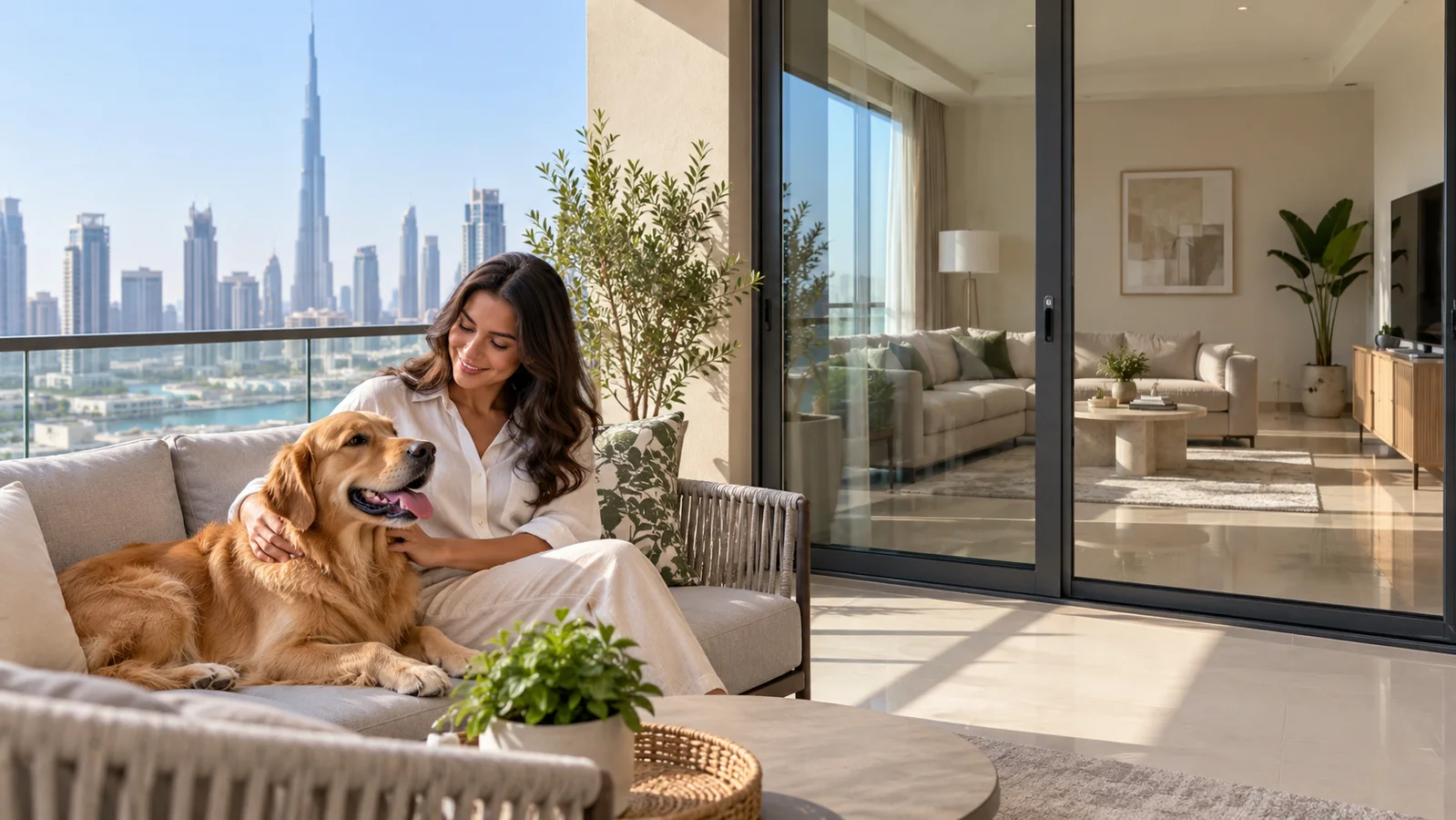
Pet friendly pest control Dubai: start with the household
List every animal, where it lives and which rooms or garden areas it can reach. Mention an animal’s health-related needs to the provider and ask your veterinarian about particular concerns. Do not assume that instructions for a healthy adult dog cover a bird, fish tank or another species.
Explain where food bowls, bedding, litter trays, toys and cages are normally kept. Tell the technician about pets that open cupboards, climb or dig. The safety plan needs to reflect actual access, not merely whether a product is described as targeted.
| Household detail | What to agree before treatment |
|---|---|
| Cats or dogs use the floors | Separation from treatment and product-specific return conditions |
| Birds or small animals live indoors | An appropriate relocation or protection plan with specialist advice where needed |
| An aquarium is present | Written tank and equipment precautions suited to the method |
| A pet digs or chews | Protection from baits, stations and treated objects |
| Garden treatment is proposed | Access restrictions and care around bowls, toys and water features |
Prevention can reduce the need for application
Start with the pest and its source. Keep pet food in sound containers, clean feeding residues, repair leaks and review door or window gaps. These steps address access and attractants rather than treating the animal’s presence as a reason to spray more widely.
A targeted plan may combine monitoring, housekeeping, exclusion and an appropriate product. Ask which parts are essential in your case and which involve no pesticide. That comparison is more useful than assuming every “green” package uses the same methods.
Our smart IPM programme information explains the broader approach. An inspection should still determine the specific measures; an IPM label does not make every possible product or placement risk-free.
Product information matters more than the safety slogan
The National Pesticide Information Center’s guidance on pets recommends following product directions and preventing exposure. Request the product name and relevant instructions, intended placement and conditions that apply to your animals. Ask what to do if a pet reaches a treated surface or damages a device.
An environmental pesticide is not automatically suitable for direct use on an animal. Likewise, an animal treatment is not automatically suitable for every species or age. Use pet medicines and flea or tick treatments only according to the specific instructions and appropriate veterinary guidance.
EPA’s Read the Label First advice reinforces that practical distinction. US information explains risk-reduction principles here; it is not evidence that a proposed product is registered for UAE use. Ask the local provider for the information relevant to the actual application.
Prepare before the technician arrives
Agree where the animals will stay while work takes place and how accidental access will be prevented. Remove or protect feeding items, bedding and toys as instructed. Keep a note for everyone in the household so a family member does not let a pet back into a restricted room early.
If an aquarium, bird enclosure or unusual animal is present, settle the protection plan before booking. Do not improvise by turning equipment off or sealing an enclosure in a way that creates another animal-welfare problem. Ask the contractor and veterinarian for instructions appropriate to the species and method.
Make the relevant areas accessible without moving contaminated belongings into an animal’s temporary space. Tell the provider if you cannot relocate a pet or complete another preparation step. A revised arrangement is better than ignoring an instruction on the day.
Re-entry is specific to the method and product
Ask for the conditions that must be met before each animal can return. These may involve drying, ventilation or other label requirements; do not substitute a universal number of hours from an online article. A surface that no longer smells is not necessarily ready for licking, chewing or repeated contact.
Also clarify cleaning instructions. Some areas may need cleaning before food or pet items return, while another treated location may have different restrictions. Get the actual guidance in writing and keep the product information with the service report.
For outdoor treatment, ask how watering, rain or changes in pet access affect the instructions. Do not assume that the garden can be used simply because the indoor room has been reopened. Separate the zones and their conditions in the household plan.
Baits and rodents need a separate conversation
NPIC notes that baits can attract pets and that some animals can be exposed by eating poisoned prey. If rodent control is proposed, discuss placement, device protection, monitoring and the procedure for reporting a dead or injured rodent. Do not handle or allow animals to investigate it.
A closed station is part of an exposure-control plan, not permission to leave it where a determined animal can chew it. Tell the contractor what your pet actually does. Report damage promptly and keep the animal away while the situation is assessed.
Read the UAE rodent inspection guide for the building and monitoring side of the issue. Exclusion and repairs can matter as much as the choice of product.
If you suspect an exposure
Separate the animal from the suspected source if it is safe to do so and contact a veterinarian promptly. Provide the product name or label and explain what may have happened. Do not give a home remedy or induce vomiting without veterinary instruction.
Keep the contractor’s contact details and report the event so the treatment area or device can be checked. The provider’s response should support the veterinarian with product information; it should not dismiss a concern solely because the service was advertised as pet-friendly.
Frequently asked questions
Does pet-friendly mean completely safe for every animal?
No. Exposure depends on the product, method, placement and animal. Ask for a specific precaution plan rather than an unconditional promise.
Are natural products automatically harmless?
No. A natural description does not replace product instructions or a species-specific assessment. Discuss the actual formulation and exposure route.
How long should pets stay away?
Follow the conditions for the product and method used. Do not assume a fixed number of hours or rely only on whether the smell has gone.
What should I do with an aquarium?
Tell the contractor before booking and agree written precautions for the tank and equipment. Seek species-appropriate advice rather than improvising a shutdown or cover.
Can pets reach a closed bait station?
Some animals chew or dig, so access and device protection still need assessment. Report any damaged station and keep pets away from it.
What if my pet may have contacted the treatment?
Contact a veterinarian and provide the product information and likely exposure details. Do not use a home remedy unless the veterinarian directs it.
Arrange a site-specific inspection
Before booking GRMC Pest Control, describe all pets and the areas they use. Request the proposed product or method, preparation, protected placement and return conditions in writing.