Rodent control in winter in the UAE should focus on evidence, access and food rather than assuming every home has a seasonal infestation. Inspect doors, utility penetrations, storage rooms and roof access, then arrange identification and a coordinated removal plan where signs are present. Exclusion and housekeeping need to work alongside any trapping or treatment.
Cooler weather is a useful reminder to review a property, but it does not establish when rodents entered or prove that their numbers have risen. Garden work, deliveries, nearby construction and an open service gap can all change the inspection brief. Start with what is happening at your site.

Rodent control in winter UAE: recognise evidence first
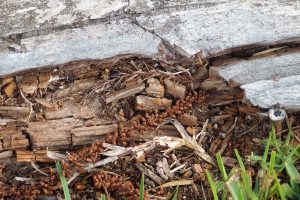
Record droppings, gnaw marks, damaged packaging, sounds and sightings with the exact location and date. Photograph evidence without handling it. Tell the inspector whether it appeared near a food store, ceiling hatch, external bin or garden shed; these are different leads.
A noise behind a wall is not a reliable species identification. A professional survey should distinguish possible rodents from other causes and look for an entry route. That prevents unnecessary baiting and helps the maintenance team work on the correct openings.
| Location | What to check | What to avoid |
|---|---|---|
| External doors | Damaged seals and gaps around frames | Assuming a closed door is sealed |
| Utility entries | Openings around pipes and cables | Blocking ventilation or an active service route |
| Storage and garages | Food, packaging and inaccessible clutter | Moving contaminated items through the home |
| Roof or ceiling access | Evidence near hatches and building defects | Climbing into unsafe spaces yourself |
Separate removal from proofing work
The UC IPM guide to rats describes exclusion, sanitation and population control as parts of management. Ask which openings should be repaired, what materials are suitable and how that work fits with the removal plan. Closing gaps without understanding current activity can leave the original problem unresolved.
Some openings are necessary for drainage, airflow or utilities. A competent repair should preserve that function while limiting access. Do not fill every gap with an improvised material or cover a grille merely because it looks like a possible route.
Use a written defect list with photographs and an owner for each repair. The pest contractor may identify the opening while the building manager or maintenance team performs the work. Agree who checks completion, especially when the property is rented or external surfaces are shared.
Remove the easy food and shelter
Store dry food and animal feed in sound containers, clean spills and keep waste enclosed. Check the cupboard behind a damaged packet rather than just replacing the packet. In a garage, distinguish items that can be safely reorganised from contaminated material that needs a cleanup plan.
Do not leave pet feeding areas covered in residue overnight. Keep bulk supplies off damp or inaccessible floors where practical and leave enough space to inspect. These changes improve visibility as well as reducing accessible food.
Outside, ask about waste collections and garden storage. If a shared bin area or neighbouring access point is involved, document it for management. Repeatedly treating one villa without correcting a shared source can leave an important part of the problem untouched.
Discuss traps and bait stations before placement
Request an explanation of the devices proposed and why they fit the location. Their placement should account for children, pets, food preparation, cleaning work and access for inspection. Do not move devices between rooms or add consumer products alongside the contractor’s programme without discussing it.
If a pesticide bait is proposed, ask for the product information, permitted use and protective placement. Never scatter loose poison where it can be reached by people or animals. A station also needs identification, regular checks and a procedure for reporting damage; its presence alone is not evidence of control.
Avoid relying on a repellent gadget or household scent as the only response to confirmed activity. Ask how success will be checked through observations and device findings. The plan should describe what happens if activity remains in the same zone.
Clean droppings without dry sweeping
The CDC rodent-cleanup guidance warns against vacuuming or sweeping dry rodent droppings. Such disturbance can put contaminated material into the air. Keep other people and pets away from affected areas while an appropriate cleanup is arranged.
Follow the full relevant cleanup guidance and product instructions rather than improvising a chemical mixture. Extensive contamination, inaccessible voids or affected ventilation equipment may require specialist help. Tell the contractor about the size and location of the affected area before arrival.
If wiring, insulation or air-conditioning components appear damaged, use qualified maintenance personnel. Removing the rodent does not establish that equipment is electrically or mechanically sound. Do not reopen a damaged electrical enclosure to inspect it yourself.
Track progress after the first visit
Keep a short log of new evidence by location and date, along with repairs completed. Ask the technician to explain what the next check will examine and how long monitoring is expected to continue for your situation. There is no single visit count that proves every infestation has ended.
Before reducing monitoring, confirm that the agreed entry-point work is complete and that remaining access limitations are recorded. A quieter night is useful information, but it does not replace an inspection. Report recurrence with the original location details so the contractor can investigate the same route.
For continuing building protection, see general pest control and smart IPM solutions. Households with animals can also use our pet-friendly pest-control preparation guide to plan access and precautions.
Frequently asked questions
Do rodents only enter UAE homes in winter?
No. Food, shelter and access can allow activity at other times too. A winter inspection is preventive maintenance, not proof that every sighting is seasonal.
Should I seal every opening immediately?
First identify the route and coordinate repairs with the removal plan. Some openings serve ventilation or utilities and need an appropriate protective detail rather than complete blockage.
Can I vacuum a few droppings?
CDC guidance advises against vacuuming or sweeping dry rodent droppings. Use the relevant cleanup guidance or arrange professional assistance for the location and extent involved.
Are bait stations safe around pets?
A station does not justify an unconditional safety claim. Tell the provider about pets and ask about the product, placement, inspection and what to do if a station is damaged.
Does a quiet ceiling mean the problem is gone?
Not necessarily. Review monitoring findings, new evidence and completed repairs before deciding that the programme can end.
Who repairs damaged AC or electrical equipment?
Qualified maintenance personnel should assess affected systems. Pest removal does not replace electrical or mechanical inspection.
Arrange a site-specific inspection
Contact GRMC Pest Control with the locations of sightings, photographs of evidence and any pets or access restrictions. Request an inspection that links removal, proofing and follow-up responsibilities.