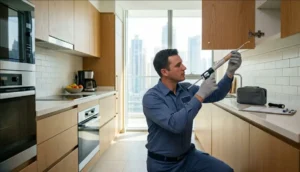
Pest control in Dubai Hills Estate should start with the pest, the exact location and the type of home, not a standard spray for every resident. A villa garden, an apartment kitchen and a shared service area need different inspection and access arrangements. Describe the evidence first, then agree a treatment and follow-up plan for the affected property.
This guide helps residents prepare a useful brief and coordinate with maintenance or building management. It does not imply that every property in the community has the same pest pressure, or that a neighbourhood name establishes the cause of an infestation.

Pest control Dubai Hills Estate: prepare the inspection brief
Send a clear photograph if available, the room or outdoor location, the time of sightings and whether the issue is new or recurring. Mention recent travel, deliveries, gardening, leaks or building work only as context; none proves the source by itself.
Tell the provider whether you live in a villa or apartment, whether any areas are shared and whether you rent. Ask who needs to approve access or repairs. Agree which rooms, storage areas or external spaces will be inspected so the visit is not limited by an unexpected locked door.
| Your observation | Useful information to provide | Possible coordination |
|---|---|---|
| Cockroaches in a kitchen | Exact locations, photographs and nearby leakage | Cleaning, plumbing and adjoining service areas |
| Mosquitoes outside | Standing water, irrigation and times of activity | Gardening, drainage and shared-area management |
| Rodent evidence | Location of droppings or damaged packaging | Maintenance and controlled cleanup |
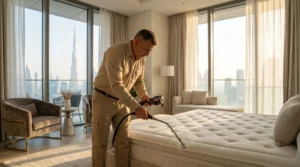
| Bed-bug concern | Insect evidence, sleeping areas and earlier treatment | Occupant preparation and relevant room access |
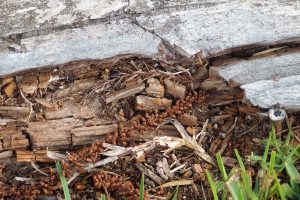
| Damage to timber | Photographs and moisture or repair history | Pest inspection and qualified building assessment |
The table organises information; it does not replace identification. Similar-looking insects or damage can require different responses.
For villas: include the garden and maintenance routes
Inspect accessible door seals, service penetrations, exterior storage and waste areas. Note where irrigation leaves water or where an air-conditioning drain appears to discharge poorly. Ask the gardener or maintenance team to correct a defect rather than expecting pesticide application to repair it.
The CDC mosquito-control advice recommends checking water-holding items weekly. In a villa, include pots, toys and unused containers. That is a preventive habit, not evidence that every landscaped property needs routine outdoor spraying.
Tell the inspector about pets, children’s play areas, pools and sensitive planting. Ask which parts of the garden will be treated or left untouched, and what use restrictions apply. Do not enter a roof void or climb external equipment to photograph a suspected route.
For apartments: clarify shared versus private space
A resident may control the inside of the apartment while management controls a corridor, waste room or service shaft. If activity seems connected to one of those spaces, document it and notify the responsible team. A private visit should not be presented as permission to treat shared property.
Within the apartment, provide access to the relevant kitchen edges, plumbing cabinets or sleeping area according to the pest being investigated. Ask what furniture or items must be moved and whether the technician needs a maintenance representative. Do not dismantle fixtures unnecessarily before the inspection.
Avoid blaming neighbours without evidence. Location records and management coordination are more useful than an assumption about the adjoining home. The inspection should explain whether a wider investigation is justified.
Match the method to the confirmed problem
For cockroaches, a plan may combine sanitation, exclusion, monitoring and appropriately placed products. UC IPM guidance explains why integrated measures matter. It does not support spraying every visible surface regardless of the species or conditions.
Bed bugs, termites and rodents need their own investigation rather than being added to a general household spray. Ask which pests and areas the proposal covers and what specialist assessment is excluded. If the concern is timber condition or electrical damage, the relevant building professional may also be needed.
For the garden, identify whether the problem is mosquitoes, large flies or small drain-related flies before choosing treatment. Read the villa mosquito and fly guide for source checks and the distinction between water and organic-material breeding sites.
What to ask before the visit
Request the product or method, preparation instructions and conditions for people and pets to return. There is no single re-entry time that applies to every treatment. Explain any health-related sensitivities so the provider can state precautions and any need for advice from a healthcare professional.
Confirm access rules, parking or security arrangements with your building or property manager rather than assuming they are identical across the community. Supply practical directions without posting private access codes in public messages. If treatment needs vacant rooms, arrange that before the appointment.
Check current company documentation relevant to the service and keep the written proposal. Our Dubai provider-verification guide explains why a marketing claim should not replace a current check. This article does not certify a provider merely because it serves the area.
Aftercare should show what changed
Keep the service report and note any remaining building defect, inaccessible area or cleaning action. Ask which cleaning can resume immediately and which treated areas have specific instructions. Follow the actual guidance rather than a generic rule from another household.
Record new activity with dates and locations. The follow-up should compare those observations with the original findings and completed repairs. Ask what would trigger a reinspection and what the written service terms include.
A continuing maintenance issue needs an owner. If a drain or door defect remains, tell both the contractor and the responsible team. A clear handover helps prevent a sequence of repeat visits that never addresses the unfinished part of the plan.
Frequently asked questions
Does every Dubai Hills home need the same treatment?
No. The pest, evidence, property layout and household conditions determine the scope. Ask for an inspection-based explanation rather than a universal package.
Should apartment management be involved?
Involve management where access, defects or activity concern shared areas. A resident appointment does not authorise treatment of all common property.
What should I send before booking?
Share photographs, exact locations, timing and any earlier treatment records. Mention pets, access restrictions and relevant leaks or maintenance work.
How long must we stay out after treatment?
Use the instructions for the actual product and method. Do not assume the same time as another property or a different service.
Can garden maintenance help reduce mosquitoes?
Checking water-holding containers and correcting leaks or drainage can help address sources. Identify the actual insect and source before deciding whether treatment is also needed.
What if I see pests after the visit?
Record where and when and contact the provider using the agreed follow-up process. New activity needs interpretation alongside the original findings and any unresolved repairs.
Arrange a site-specific inspection
Book through GRMC Pest Control and describe your Dubai Hills Estate property and evidence. Request a written scope, household preparation instructions and a clear division between pest work, maintenance and management follow-up.